Geneva or Vaud? Choosing a home on Lake Geneva
Geneva or Vaud for an international family? Lump-sum rules, fiscal-interest permits, inheritance tax, schools and lifestyle on Lake Geneva in 2026.
Last reviewed
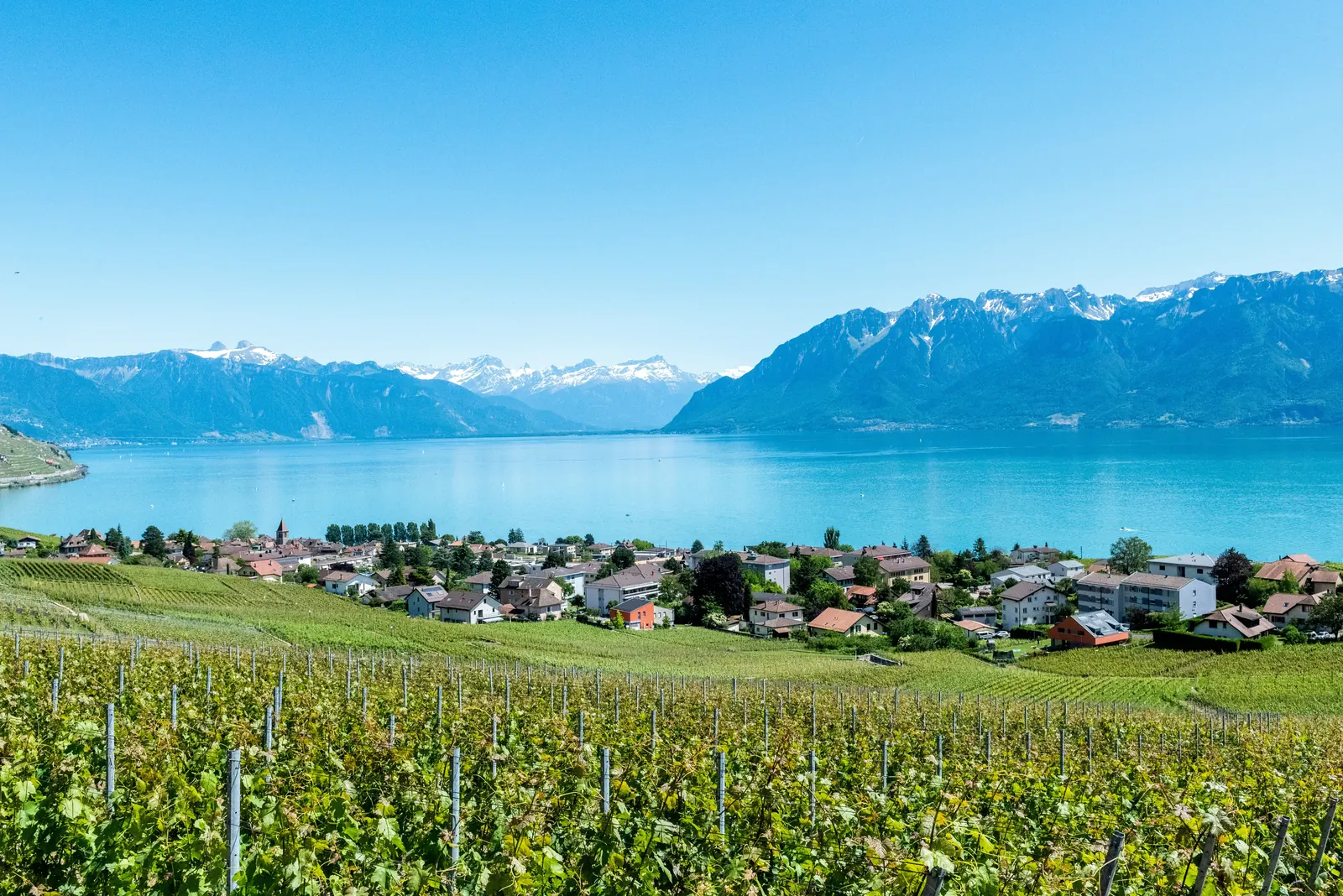
Geneva and Vaud share the same lake, the same language and many of the same international families, but they are different places to live and they tax newcomers differently. Geneva is a compact city-canton with a strong international presence; Vaud stretches from Lausanne and the lakeside towns up into the Alps. For families considering lump-sum taxation, the two cantons calculate the base, cover wealth tax and treat inheritances in distinct ways, so the choice deserves a proper comparison.
Key facts (as of September 2026)
| Geneva | Vaud | |
|---|---|---|
| Lump-sum cantonal minimum 2026 | CHF 426,357 | CHF 415,000 (includes a 15% wealth surcharge) |
| Wealth tax under the lump sum | +10% surcharge on the base | Included in the base |
| Rent test | 7× rent or rental value | 7× rent +10% |
| Non-EU fiscal-interest permit | Published expenditure base of CHF 750,000 | No amount published; signed lump-sum agreement required |
| Inheritance to children | Exempt, except if the deceased was lump-sum taxed recently | CHF 1 m exempt, then a degressive deduction up to CHF 2 m |
| Federal minimum (both) | CHF 435,000 | CHF 435,000 |
The short answer
If you want city life, very short distances and the international organisations on your doorstep, Geneva is the natural fit. If you want more space, a choice between town, lake and mountains, or a particular school outside Geneva, Vaud gives you more options. On tax, neither is simply "cheaper": it depends on your figures, and for lump-sum families on inheritance plans too.
Two different places to live
Geneva is a small canton, largely built around the city and its lakeside, with French as the official language. Much of international life in the region is concentrated here, and Geneva's airport serves both cantons.
Vaud is much larger. Lausanne is its main city, and the canton runs along the northern shore of the lake through towns such as Nyon, Rolle, Morges, Vevey and Montreux, and up into Alpine resorts. It is also French-speaking. Some families with ties to Geneva choose to live on the Vaud side of the lake, between Geneva and Lausanne.
Lump-sum taxation: how the two differ
Both cantons offer lump-sum taxation (the forfait fiscal or imposition d'après la dépense) to people who are not Swiss, are coming for the first time or after ten years away, and do not work in Switzerland. The federal base of at least CHF 435,000 for 2026 applies in both. The differences are in the cantonal layer.
Geneva
- The minimum is CHF 400,000 in law, indexed to CHF 426,357 for 2026.
- A 10% surcharge is added to the base in place of wealth tax.
- You apply in writing to the cantonal tax administration on arrival, together with the migration procedure. The application includes a letter explaining your situation and confirming that you will not work in Switzerland, a proposed lump-sum amount, a copy of your lease or a property valuation, and a lifestyle form (train de vie), available in French and English.
Vaud
- The minimum is CHF 415,000, and this figure already includes a 15% surcharge that covers wealth tax.
- The rent test is seven times the rent plus 10%, slightly stricter than the federal test.
- For non-EU nationals, a signed lump-sum agreement with the cantonal tax administration (ACI) is one of the documents required for the residence permit.
Because the base is always the highest of several tests, the minimums alone rarely tell you who pays less. A family with a large rented home may find the rent test decides the result in either canton. We look at this in how the lump sum is calculated.
Residence for non-EU families
EU/EFTA nationals who do not work can live in either canton on the free-movement rules, with sufficient means and health and accident insurance. For non-EU nationals, the two main routes are the retiree route from age 55 and the route based on important cantonal fiscal interests. The two cantons are open about their approach to the second:
- Geneva states that the major fiscal interest in the canton amounts to an expenditure base of CHF 750,000 for third-country nationals.
- Vaud publishes no amount. It asks for a formal commitment not to work in Switzerland or abroad (other than managing your own assets), a copy of the lump-sum agreement with the ACI, and a land-register extract or deed if you are buying. Applicants aged 55 or over with strong ties to Switzerland may also apply as retirees.
In both cantons, the State Secretariat for Migration must approve the permit after the canton. Our guide to residence for financially independent non-EU nationals explains the process.
Inheritance and gifts
This is often the point that tips the balance for families planning ahead.
- In Geneva, spouses and descendants are normally exempt. However, that exemption does not apply if the deceased or donor was lump-sum taxed in one of the last three final assessments before the death or gift. For a family on the lump sum, this matters.
- In Vaud, descendants are not fully exempt: CHF 1 million is exempt, followed by a degressive deduction up to CHF 2 million. Spouses are exempt, as in every canton.
In both cantons, movable assets are taxed where the deceased last lived, and real estate where it is located. See our guide to inheritance and gift tax.
Schools
For many families, the school decides the town. Based on the schools' own websites:
| School | Location | Canton |
|---|---|---|
| International School of Geneva (Ecolint), La Grande Boissière | Geneva | Geneva |
| Ecolint, Campus des Nations | Grand-Saconnex | Geneva |
| Ecolint, La Châtaigneraie | Founex | Vaud |
| International School of Lausanne | Le Mont-sur-Lausanne | Vaud |
| Institut Le Rosey (boarding) | Rolle, with a winter campus in Gstaad | Vaud |
| St. George's International School | Montreux | Vaud |
| Aiglon College | Chesières | Vaud |
Ecolint's campuses and the International School of Lausanne offer the International Baccalaureate, according to their websites. Le Rosey describes itself as a full boarding school for ages 8 to 18. School details are as published on each school's own website in September 2026; please confirm curricula, ages and boarding directly with the school. Admissions and availability change year to year, so it is worth contacting schools early. More in our international schools guide.
Buying a home
Lex Koller, the federal law on property purchases by persons abroad, is the same in both cantons. EU/EFTA nationals living here and non-EU nationals with a C permit can buy freely; non-EU nationals with a B permit can currently buy a main residence at their actual domicile. A 2026 proposal would change that, but it is not law. See buying property as a foreigner.
Both cantons levy a property transfer tax, so the notary's cost estimate should be part of any offer.
Questions to settle before choosing
- Will we be taxed on a lump sum, and what does our base look like in each canton?
- How important is inheritance tax for our children?
- Which school, and how far are we willing to travel each day?
- City, lakeside town or mountains?
- Are we buying or renting at first?
How we help
We work on both sides of the lake and can compare Geneva and Vaud on your own figures, from the lump-sum base to the school run. We then help you through the tax ruling, permit and move in the canton you choose. Start with the eligibility check.
This guide is general information as of 30 September 2026 and is not tax or legal advice; your own position should be confirmed with the canton or in a ruling.
Official sources
- ESTV: cantonal tax fact sheet, Geneva (February 2026)
- ESTV: cantonal tax fact sheet, Vaud (February 2026)
- Canton of Geneva: taxation according to expenditure, calculation
- Canton of Geneva: how to apply for taxation according to expenditure
- Canton of Geneva: tax calculation for third-country nationals
- Canton of Vaud: residence for important public interests
- SEM: directives on the free movement of persons (VFP), §6.2
- Fedlex: art. 5 ZV-EJPD (SEM approval)
- Fedlex: art. 2 BewG (main residence exception)
- ESTV: taxes in force (legal status 1 January 2026), inheritance and gift tax
- ESTV: Circular 2-215-D-2025 (federal minimum for 2026)
- International School of Geneva (Ecolint)
- International School of Lausanne
- Institut Le Rosey
- St. George's International School, Montreux
- Aiglon College
Frequently asked questions
Is it better to live in Geneva or Vaud?
Neither is better in general. Geneva is a compact, very international city-canton. Vaud is larger and more varied, from Lausanne and the lakeside towns to the Alps. The tax rules differ in ways that can matter, especially for lump-sum taxpayers and inheritance planning.
What is the lump-sum minimum in Geneva and Vaud for 2026?
For cantonal tax, Geneva's minimum is CHF 426,357 for 2026, plus a 10% surcharge in place of wealth tax. Vaud's minimum is CHF 415,000, which already includes a 15% surcharge covering wealth tax. The federal minimum of CHF 435,000 applies in both.
What expenditure base does Geneva expect for a non-EU fiscal-interest permit?
Geneva publishes that its major fiscal interest amounts to an expenditure base of CHF 750,000 for third-country nationals. Vaud publishes no amount but requires a signed lump-sum agreement with its tax administration as part of the permit application. In both cantons the permit remains discretionary and needs SEM approval.
Do Geneva and Vaud tax inheritances to children?
Geneva generally exempts spouses and children, but not if the deceased was lump-sum taxed in one of the last three final assessments. Vaud exempts CHF 1 million for descendants and then applies a degressive deduction up to CHF 2 million.
Which international schools are in Geneva and Vaud?
They include the International School of Geneva (campuses in Geneva, Grand-Saconnex and Founex), the International School of Lausanne, Institut Le Rosey in Rolle, St. George's in Montreux and Aiglon College in Chesières.
Not sure which route fits you?
Answer a few questions and see an indicative route in about two minutes. Nothing is sent unless you choose to write to us.