Buying property in Switzerland as a foreigner: Lex Koller
Can a foreigner buy a home in Switzerland? How Lex Koller works for EU, UK and non-EU buyers, B and C permits, holiday homes and transfer taxes in 2026.
Last reviewed
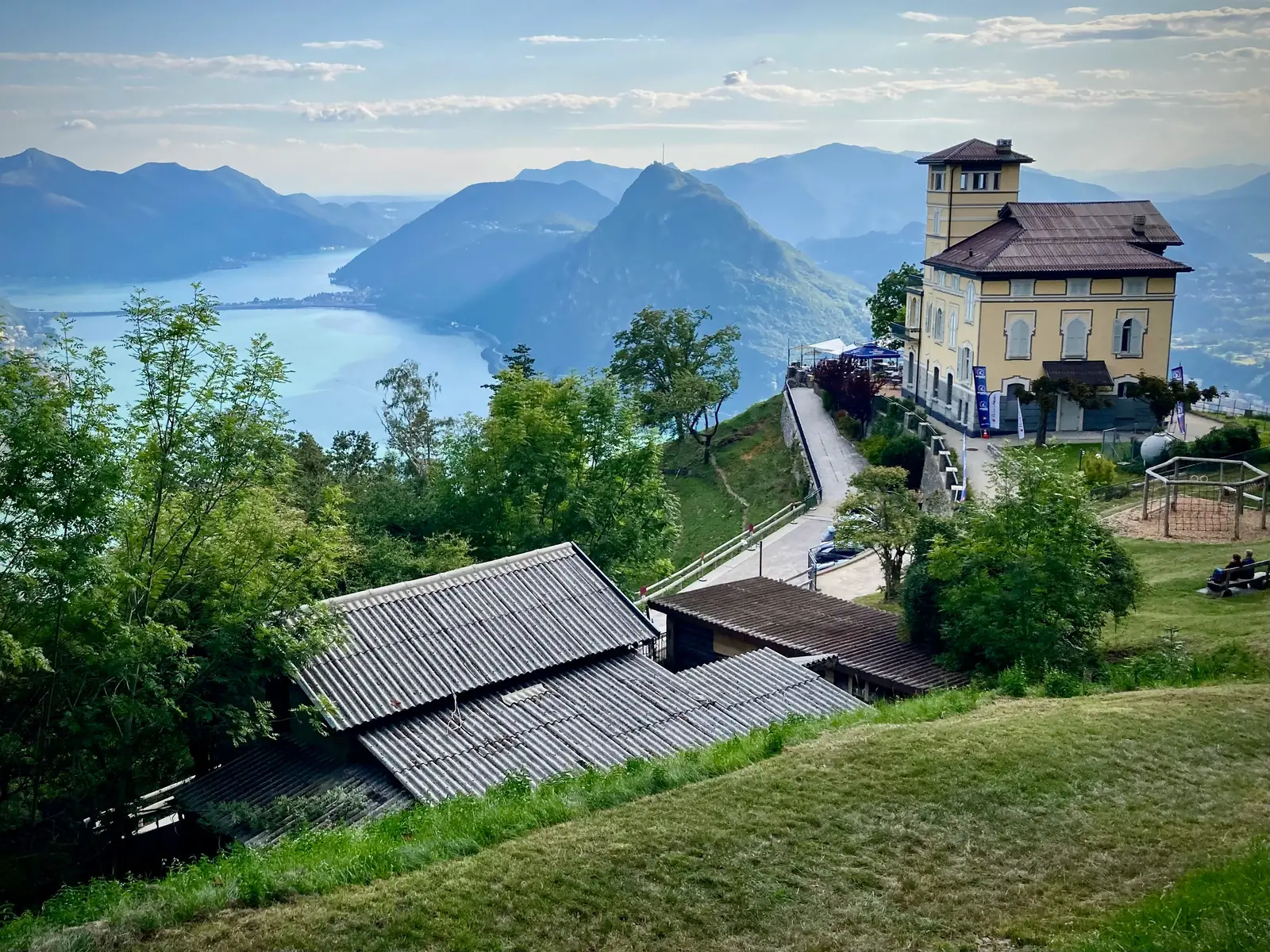
Foreigners can buy property in Switzerland, but a federal law known as Lex Koller decides who needs a permit to do so. If you are an EU/EFTA national living here, or a non-EU national with a C permit, you buy like anyone else. Most other foreign buyers need a permit, with one important exception: under current law, a main residence at your actual Swiss home.
Key facts (as of September 2026)
| The law | Lex Koller: the federal act on the acquisition of real estate by persons abroad (BewG) |
| Not subject | EU/EFTA nationals living in Switzerland (B or C), non-EU nationals with a C permit living here |
| Subject, with an exception | Non-EU nationals with a B permit may buy a main residence at their actual domicile without a permit |
| Holiday homes | Capped at max. 1,500 quota units a year nationally, only in places cantonal law allows |
| Holiday-home size | Net living area normally up to 200 m²; land up to 1,000 m² |
| Permits | Owning property gives no right to a residence permit |
| Pending | A reform proposal opened for consultation on 15 April 2026; it is not law |
What is Lex Koller?
Lex Koller is the everyday name for the Bundesgesetz über den Erwerb von Grundstücken durch Personen im Ausland (BewG), or LFAIE in French. Its purpose is to limit the purchase of Swiss residential property by people who are considered to be "abroad" in a legal sense. It sits alongside an ordinance (BewV) that sets out the detail, such as holiday-home quotas and size limits.
The key idea is that the law does not look only at your passport. It looks at your nationality and where you actually live. Two people with the same passport can be treated quite differently depending on whether they have really settled in Switzerland.
Who counts as a "person abroad"?
Under art. 5 BewG, the following need a permit to buy residential property:
- EU/EFTA nationals (and UK nationals covered by the Citizens' Rights Agreement) who do not have a lawful, actual domicile in Switzerland
- nationals of other countries who do not have the right to settle here, which in practice means they do not hold a C permit
- companies with their seat abroad, and Swiss companies controlled by persons abroad
In practice, that gives a fairly simple picture.
| Your situation | Subject to Lex Koller? | Main residence | Holiday home |
|---|---|---|---|
| EU/EFTA national living in Switzerland (B or C) | No | Buy freely | Buy freely (second-home rules still apply) |
| Non-EU national with a C permit, living here | No | Buy freely | Buy freely (second-home rules still apply) |
| Non-EU national with a B permit, living here | Yes | No permit needed at your actual domicile (current law) | Permit and quota needed |
| Foreign national living abroad | Yes | Not applicable | Permit and quota needed, where allowed |
UK nationals who arrived after 1 January 2021 and are not covered by the Citizens' Rights Agreement are treated as non-EU nationals. If that is you, the B-permit row applies.
Buying your main home with a B permit
For natural persons, no permit is needed to buy a main residence at the buyer's lawful, actual domicile (art. 2 para. 2 BewG). This is the route most new non-EU residents use.
The word "actual" matters. The Federal Office of Justice explains that a residence permit and registration with the commune are not enough on their own. Authorities look at where your life really takes place: where your family household is, where your car is registered, where you are fully taxed, even clubs you belong to. If you keep your main life elsewhere and use the Swiss home occasionally, it is unlikely to count.
A practical point: the property must be the home you actually live in. It is not a way to hold a second Swiss property or a buy-to-let.
Holiday homes and second homes
Holiday homes for persons abroad are much more tightly controlled. The main rules:
- Quotas. There is a national cap of at most 1,500 quota units a year, split into cantonal quotas by the Federal Council. Cantons allocate them and can add their own restrictions. Unused units carry over for one year.
- Location. Holiday homes can only be bought where cantonal law provides for it, typically in tourist places.
- Size. Net living area is normally limited to 200 m², and land to 1,000 m² for a house that is not a condominium.
- Use. Only one holiday or second home per family (buyer, spouse and children under 18). A holiday home may not be rented out year-round, and a second home must be sold within two years once it is no longer used as such.
On top of Lex Koller, the federal second-home law (often called Lex Weber) blocks new second homes in communes where second homes already make up more than 20%. This applies to everyone, Swiss or foreign. Our guide to holiday homes in the Alps covers both layers in detail.
Does buying property give you a residence permit?
No. The Federal Office of Justice is clear that owning Swiss property gives no right to a residence permit. This is one of the most common misunderstandings we hear, often fed by "golden visa" marketing.
The order is always the same: first secure the right to live here, through the route that fits your nationality and situation, then buy. For non-EU nationals who do not work, that usually means the retiree route (from 55) or the route based on important cantonal fiscal interests. Even for the retiree route, the State Secretariat for Migration (SEM) directives note that owning property is not enough to show the special ties to Switzerland that are required. Our guide to Swiss permits sets out the routes.
Taxes and costs when you buy
Two costs arise on almost every purchase: land-register and notary fees, and in many cantons a property transfer tax.
According to the Federal Tax Administration's overview of taxes in force (legal status 1 January 2026):
- typical transfer tax rates are 1–3.3% of the price
- Zurich, Uri, Schwyz, Glarus, Zug, Schaffhausen, Aargau and Ticino levy no real transfer tax, only land-register and notary fees
- the buyer usually pays unless agreed otherwise; in Obwalden, Basel-Landschaft and Appenzell Ausserrhoden, buyer and seller split it
Communes can add their own surcharges in some cantons, and exact rates change, so the canton's current tariff should always be checked before you sign.
Imputed rental value is going in 2029
Switzerland has long taxed homeowners on a notional rent for living in their own home (the Eigenmietwert or valeur locative). The Federal Council decided on 1 April 2026 that this will be abolished from 1 January 2029 for both main and secondary homes. Property maintenance deductions go at the same time, and cantons may introduce a special property tax on secondary homes. If you are buying now, it is worth modelling both the current rules and the post-2029 position.
Property and lump-sum taxation
If you plan to be taxed on a lump sum, your home also shapes your tax base. The federal base is at least seven times the annual rent or rental value of your home, if that is higher than the other tests. A larger or more expensive property can therefore raise your lump-sum base. How the 2029 change affects this test has not been officially settled, so any ruling should address it. See how the lump sum is calculated.
The 2026 reform proposal
On 15 April 2026 the Federal Council opened a consultation (which ran until 15 July 2026) on tightening Lex Koller. Among other things, it proposes that non-EU nationals would need a permit even to buy a main residence, and would have to sell within two years if they move away. It also proposes tighter holiday-home quotas.
This is a proposal, not law. Nothing has changed for buyers today, and the final text may look different. We explain what is proposed and what it could mean in our guide to the Lex Koller reform.
A sensible order of steps
- Confirm your permit route first. Your nationality and permit type decide which Lex Koller rules apply.
- Choose the canton with tax in mind. Transfer tax, wealth tax and, if relevant, the lump-sum rules differ a lot between cantons.
- Rent before you buy, if you can. It lets you establish your actual domicile and learn the area.
- Check the property itself. Is it a main home or a second home under planning rules? Is the commune above the 20% second-home share?
- Get the notary and tax picture in writing before you commit.
How we help
We help international families plan the move and the purchase together: the permit route, the canton, the tax position and the property search itself. We work with local notaries and tax specialists and keep the steps in the right order. Our property search and purchase service explains how, or start with the eligibility check.
This guide is general information as of 30 September 2026 and is not legal or tax advice; your own situation needs specific advice and, where relevant, a ruling from the canton.
Official sources
- Fedlex: art. 2 and 5 BewG (Lex Koller, SR 211.412.41)
- Fedlex: art. 11 BewG (holiday-home quotas)
- Fedlex: art. 9–11 BewV (quotas, size limits, conditions)
- Federal Office of Justice: property purchases by persons abroad
- Federal Office of Justice: Lex Koller leaflet (1 July 2009)
- Fedlex: art. 6 ZWG (second-home act)
- ESTV: taxes in force (legal status 1 January 2026)
- Federal Council: consultation on Lex Koller amendments (15 April 2026)
- SEM: directives on foreign nationals (AIG), §5.3
- Fedlex: art. 14 DBG (lump-sum taxation)
- Federal Council: abolition of imputed rental value (1 April 2026)
Frequently asked questions
Can a foreigner buy property in Switzerland?
Yes, but it depends on your nationality and residence. EU/EFTA nationals living in Switzerland and non-EU nationals with a C permit buy like Swiss residents. Other foreign buyers need a permit under Lex Koller, except for a main residence at their actual Swiss domicile.
Can I buy a house in Switzerland with a B permit?
EU/EFTA nationals with a B permit who live in Switzerland are not subject to Lex Koller. Non-EU nationals with a B permit are subject to it, but under current law they can buy a main residence at their lawful, actual domicile without a permit (art. 2 para. 2 BewG). A 2026 proposal would change this.
Does buying a house in Switzerland give me residency?
No. Owning Swiss property gives no right to a residence permit, according to the Federal Office of Justice. The permit comes first, through its own route, and the property follows.
Can foreigners buy a holiday home in Switzerland?
Only in places where cantonal law allows it, usually tourist resorts, and only within an annual national cap of at most 1,500 quota units shared between the cantons. Size limits and use conditions apply, and new second homes are blocked in communes where they already exceed 20%.
How much is property transfer tax in Switzerland?
It depends on the canton. Typical rates are 1–3.3% of the price, according to the Federal Tax Administration. Zurich, Uri, Schwyz, Glarus, Zug, Schaffhausen, Aargau and Ticino levy no real transfer tax, only land-register and notary fees.
Not sure which route fits you?
Answer a few questions and see an indicative route in about two minutes. Nothing is sent unless you choose to write to us.