Best Swiss cantons for wealthy families: tax and schools
Which Swiss canton suits a wealthy family? A sourced comparison of lump-sum rules, wealth and inheritance tax, schools and lifestyle in 10 cantons.
Last reviewed
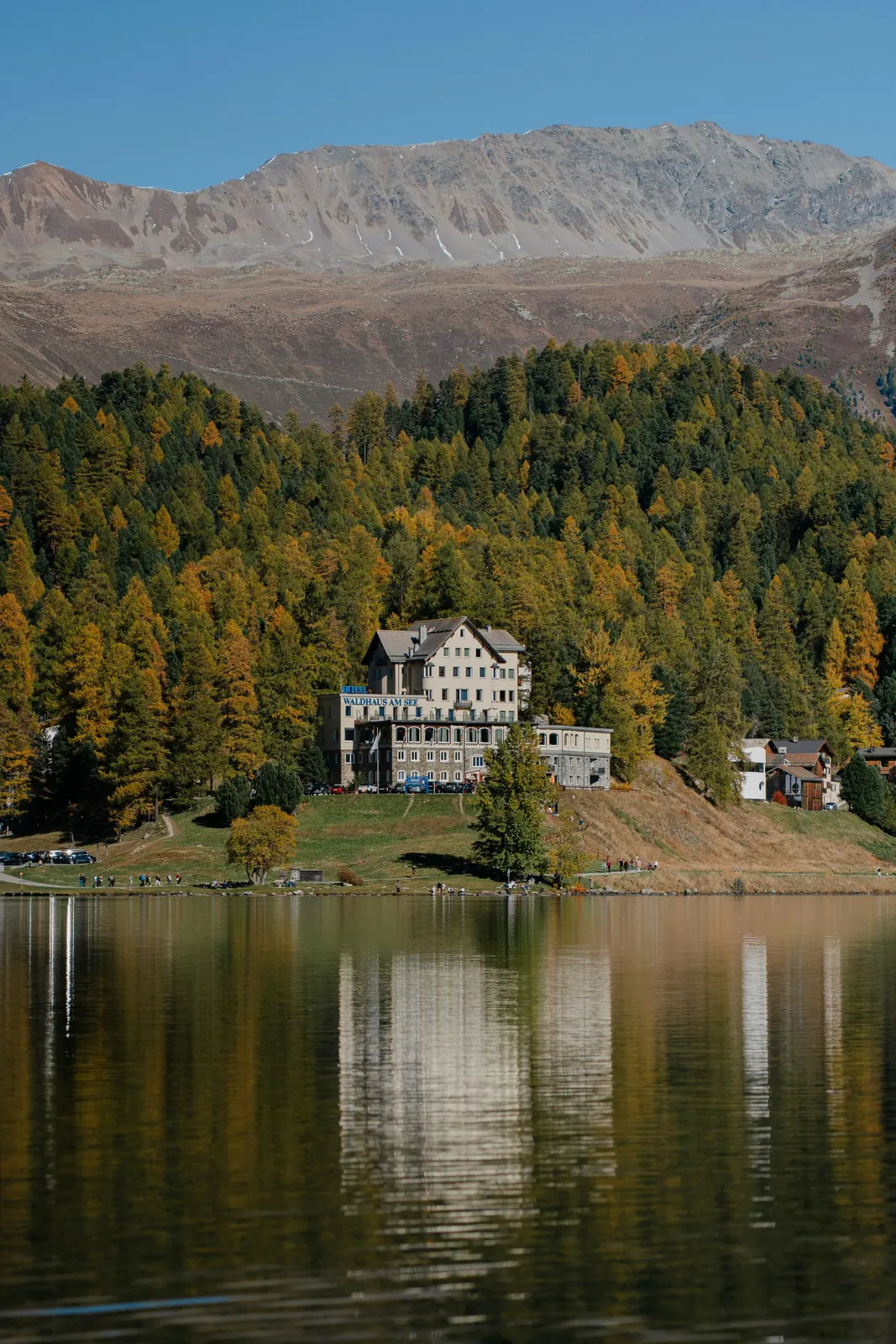
There is no single best canton for a wealthy family in Switzerland; there is the one that fits your language, schooling, tax position and pace of life. Because tax is largely cantonal, the differences are real: lump-sum minimums range from CHF 200,000 to CHF 647,100 for 2026, some cantons have abolished the lump sum altogether, and two levy no inheritance or gift tax at all. This guide lays out the cited facts side by side so you can shortlist with confidence.
Key facts (as of September 2026)
| Federal lump-sum minimum base 2026 | CHF 435,000, the same in every canton for federal tax |
| No lump sum | Zurich, Schaffhausen, Appenzell Ausserrhoden, Basel-Stadt; Basel-Landschaft for the arrival year only |
| Highest cantonal minimum base | Lucerne, CHF 647,100 for 2026 |
| No inheritance or gift tax | Schwyz and Obwalden |
| No real property transfer tax | Zurich, Uri, Schwyz, Glarus, Zug, Schaffhausen, Aargau, Ticino |
| Flat-rate wealth tax | Lucerne, Uri, Schwyz, Obwalden, Nidwalden, Glarus, Appenzell Innerrhoden, St. Gallen, Thurgau |
| Spouses | Exempt from inheritance tax in every canton |
How to think about "best"
When families ask us which canton is best, we usually turn the question around: what does your family need to be true? A few questions do most of the work.
- Which language do you want to live in? French around Lake Geneva, German in Zurich and central Switzerland, Italian in Ticino.
- Will you be taxed on a lump sum, or ordinarily? This depends on whether you work in Switzerland and on your nationality. If you want the lump sum, some cantons are simply not options.
- What matters for the next generation? Inheritance and gift tax differs by canton, and in some cases it depends on how you were taxed.
- Which schools? For many families this settles the region before anything else.
- City, lake or mountains? And how close do you need to be to an international airport?
The comparison table
The table below covers ten cantons that international families most often ask us about. All tax figures come from the Federal Tax Administration's cantonal fact sheets (February 2026) and its overview of taxes in force (legal status 1 January 2026). The lump-sum figures are cantonal minimums; for federal tax, the federal minimum base of CHF 435,000 applies everywhere, and the rent and control tests apply as well.
| Canton | Main language | Lump-sum cantonal minimum (2026) | Wealth tax under lump sum | Inheritance to children | Real transfer tax |
|---|---|---|---|---|---|
| Geneva | French | CHF 426,357 | +10% surcharge on the base | Generally exempt, but not if the deceased was lump-sum taxed in one of the last three assessments | Yes |
| Vaud | French | CHF 415,000 (includes a 15% wealth surcharge) | Included in the base | CHF 1 m exempt, then a degressive deduction up to CHF 2 m | Yes |
| Valais | French and German | CHF 250,000 | Wealth at least 4× the base | Exempt | Yes |
| Ticino | Italian | CHF 434,700 (ESTV fact sheet, Feb 2026) | Wealth 5× the base | Exempt | No |
| Graubünden | German, Romansh, Italian | CHF 435,000 | Per cantonal practice | Exempt | Yes |
| Zug | German | CHF 500,000 | Wealth at least 20× the base | Exempt | No |
| Schwyz | German | CHF 600,000 | Wealth at least 20× the base | No inheritance or gift tax | No |
| Lucerne | German | CHF 647,100 | Wealth at least 20× the base | Communes may tax descendants (CHF 100,000 exemption limit) | Yes |
| Bern | German and French | CHF 400,000 | Only on real estate in Bern | Exempt | Yes |
| Zurich | German | Abolished | — | Exempt | No |
Two notes on reading this. First, a lower minimum does not mean a lower bill: your actual lump-sum base is the highest of several tests, including seven times your rent. Second, wealth tax under the lump sum is calculated differently in each canton, so the multiples above are best compared through a real calculation. Our guide to lump-sum taxation by canton covers all 26.
Tax: the points that often decide it
If you want the lump sum
Lump-sum taxation is available only to people who are not Swiss, who are coming to Switzerland for the first time or after at least ten years away, and who do not work here. If both spouses qualify, the canton choice matters: the minimums, the treatment of wealth and even the rent test differ. Vaud, for example, uses seven times rent plus 10%.
For non-EU nationals using the fiscal-interest permit route, some cantons publish their own expectations. Geneva states that the major fiscal interest amounts to an expenditure base of CHF 750,000. Zurich, which has no lump sum, considers fiscal interest sufficient at an annual tax of about CHF 1 million, confirmed by the tax authority, with close ties to the canton and the whole family relocating. These are expectations, not entitlements: the permit remains at the canton's discretion and needs approval from the State Secretariat for Migration (SEM).
If you will be taxed ordinarily
Wealth tax is cantonal and communal only; there is no federal wealth tax. It is mostly progressive, but nine cantons use a flat rate: Lucerne, Uri, Schwyz, Obwalden, Nidwalden, Glarus, Appenzell Innerrhoden, St. Gallen and Thurgau. Capital gains on private movable assets such as securities are tax-free across Switzerland, while gains on real estate are taxed separately by the cantons.
Inheritance and gifts
This is where cantons differ most for families thinking in generations. Spouses and registered partners are exempt everywhere. Children are exempt in most cantons, but not in Vaud, Neuchâtel or Appenzell Innerrhoden, which apply deductions instead, and communes in Lucerne may tax them. Schwyz and Obwalden levy neither inheritance nor gift tax. In Geneva, a family taxed on a lump sum should know that the exemption for spouse and children does not apply if the deceased or donor was lump-sum taxed in one of the last three final assessments. Our guide to inheritance and gift tax explains more.
Schools
International schools are concentrated in a few regions, which often narrows the choice quickly. Based on the schools' own websites:
- Geneva and the Vaud shore: the International School of Geneva (Ecolint) has campuses in Geneva, Grand-Saconnex and Founex; the International School of Lausanne is in Le Mont-sur-Lausanne; Institut Le Rosey is in Rolle; St. George's is in Montreux.
- Vaud Alps: Aiglon College is in Chesières, above the Rhône valley.
- Zurich: Zurich International School (Wädenswil and Adliswil) and Inter-Community School Zurich (Zumikon).
- Zug: the International School of Zug and Luzern has campuses in Baar and Hünenberg.
- Basel region: International School Basel has campuses in Aesch and Reinach.
- Ticino: TASIS is in Montagnola, above Lugano.
School details are as published on each school's own website in September 2026; please confirm curricula, ages and boarding directly with the school. Our international schools guide goes region by region.
Lifestyle, briefly
Descriptions of lifestyle are necessarily personal, so we keep this short.
- Lake Geneva (Geneva and Vaud): French-speaking, very international, with an international airport in Geneva and a wide choice of schools. We compare the two in Geneva or Vaud?
- Zurich: Switzerland's largest city and financial centre, German-speaking, with a major international airport. No lump sum.
- Zug and Schwyz: smaller, quieter, lakeside, German-speaking, close to Zurich.
- Lucerne and Bern: historic towns, German-speaking (Bern is bilingual as a canton), with lakes and mountains nearby.
- The Alps (Valais, Graubünden, parts of Vaud and Bern): resort life, and a place many families first know through holidays.
- Ticino: Italian-speaking, with a southern climate and Lugano as its main city.
A sensible way to shortlist
- Rule out cantons that do not fit your tax route.
- Shortlist by school region and language.
- Compare inheritance rules if succession matters to you.
- Visit, ideally in more than one season.
- Confirm the numbers for your situation in a written tax ruling before you commit.
How we help
We help families compare cantons on the points that matter to them, then work through permits, tax rulings and property with the chosen canton. Every recommendation rests on your situation, not on a league table. The eligibility check asks about your canton preferences and gives you a first view.
This guide is general information as of 30 September 2026 and is not tax or legal advice; figures should be confirmed for your situation with the canton or in a ruling.
Official sources
- ESTV: cantonal tax fact sheets (Kantonsblätter, February 2026)
- ESTV: taxes in force (legal status 1 January 2026)
- Federal Department of Finance: lump-sum taxation
- ESTV: Circular 2-215-D-2025 (federal minimum for 2026)
- Canton of Geneva: taxation according to expenditure, calculation
- Canton of Geneva: tax calculation for third-country nationals (fiscal interest)
- Fedlex: art. 14 DBG (lump-sum taxation)
- Canton of Zurich: Migration Office directive (19 November 2021), §8.1
- Fedlex: art. 5 ZV-EJPD (SEM approval)
- International School of Geneva (Ecolint)
- Zurich International School
- International School of Zug and Luzern
- International School of Lausanne
- TASIS The American School in Switzerland
- Institut Le Rosey
- St. George's International School, Montreux
- Aiglon College
- Inter-Community School Zurich
- International School Basel
Frequently asked questions
Which is the best canton to live in Switzerland?
There is no single best canton. The right choice depends on language, schools, how you will be taxed (ordinary or lump-sum), inheritance plans and lifestyle. Tax rules differ a lot: for example, Zurich has abolished lump-sum taxation, while Schwyz and Obwalden levy no inheritance or gift tax.
Which cantons offer lump-sum taxation?
Most do. Zurich, Schaffhausen, Appenzell Ausserrhoden and Basel-Stadt abolished it, and Basel-Landschaft allows it only for the arrival year. Each remaining canton sets its own minimum base, from CHF 200,000 in Jura to CHF 647,100 in Lucerne for 2026.
Do Swiss cantons tax inheritances to children?
Surviving spouses are exempt in every canton, and direct descendants are exempt in most. Exceptions include Vaud, Neuchâtel and Appenzell Innerrhoden, which apply deductions instead, and Lucerne, where communes may tax descendants. Schwyz and Obwalden levy no inheritance or gift tax.
Which cantons have no property transfer tax?
According to the Federal Tax Administration (legal status 1 January 2026), Zurich, Uri, Schwyz, Glarus, Zug, Schaffhausen, Aargau and Ticino levy no real transfer tax, only land-register and notary fees.
Where are the international schools in Switzerland?
They cluster around Geneva and the Vaud shore of Lake Geneva, Zurich, Zug and Basel, with others in the Alps and in Ticino.
Not sure which route fits you?
Answer a few questions and see an indicative route in about two minutes. Nothing is sent unless you choose to write to us.