Moving to Valais: residence & lump-sum tax (2026)
Valais offers lump-sum taxation from a CHF 250,000 cantonal base, with wealth taxed on at least 4× the base. Resorts, languages, property rules, 2026.
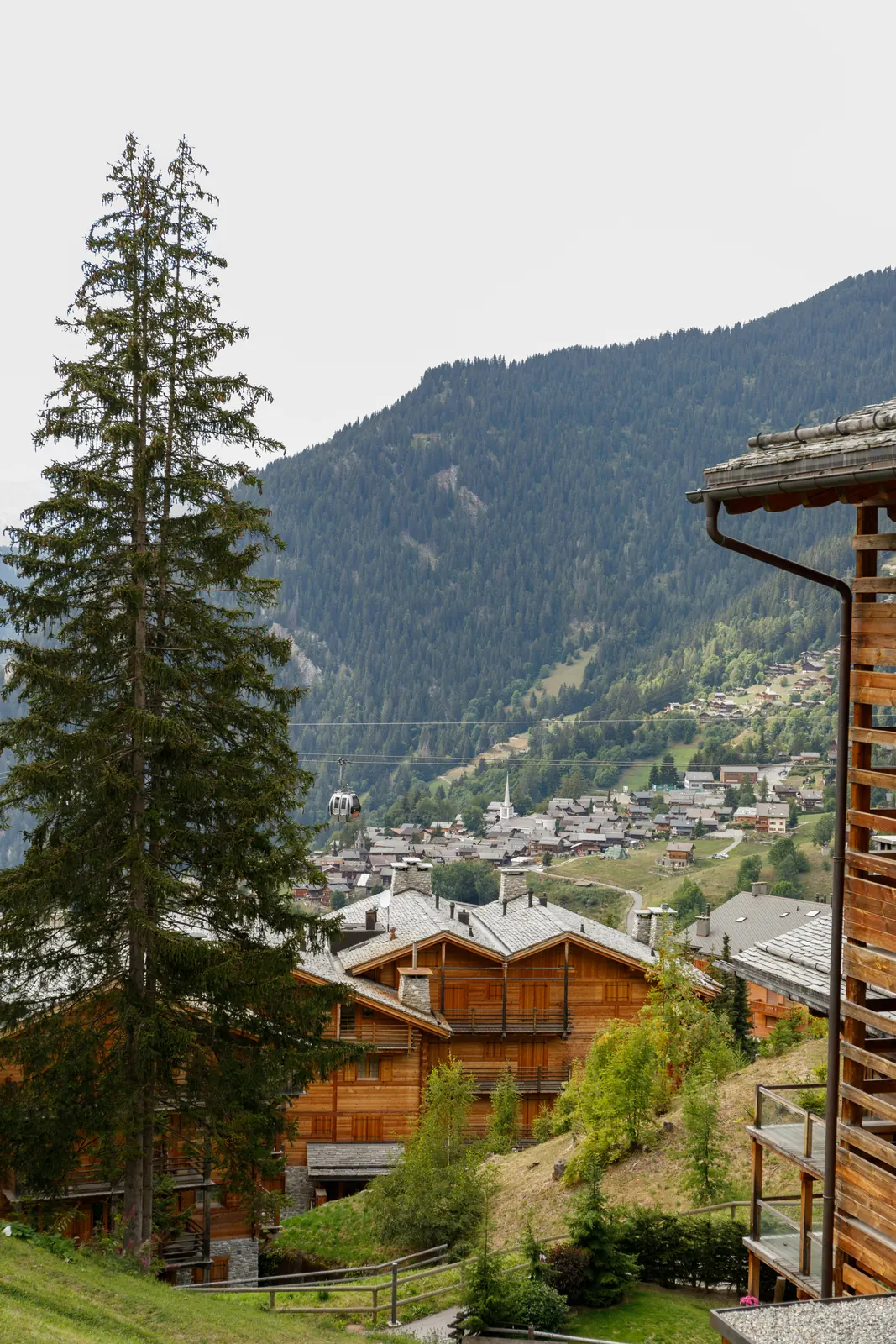
Valais offers lump-sum taxation with a published cantonal minimum base of CHF 250,000 as of 2026, and wealth is taxed on at least four times that base. It is the canton of the big alpine resorts, which makes property rules as important as tax rules here.
Key facts
| Valais (as of September 2026) | |
|---|---|
| Lump-sum taxation | Available |
| Cantonal minimum base | CHF 250,000 (art. 1 OID) |
| Communal tax | Calculated on an average tariff |
| Wealth on the lump sum | At least 4× the base |
| Federal minimum base | CHF 435,000 for 2026 |
| Languages | French (Lower and Central Valais), German (Upper Valais) |
| Main towns | Sion, Martigny, Monthey, Sierre, Brig, Visp |
Valais at a glance
Valais follows the Rhône valley from its source near the Furka Pass to Lake Geneva, framed by the highest peaks in the Alps. The canton is bilingual: French in the west and centre, German in Upper Valais. Sion is the capital. Life here tends to be split between the valley towns and the resorts above them: Verbier, Crans-Montana, Zermatt, Saas-Fee, Champéry and others.
The valley is known for its dry, sunny climate and its vineyards; Geneva airport is reachable by motorway from the lower part of the canton.
Lump-sum taxation in Valais
The federal conditions apply: no Swiss nationality, first-time Swiss tax residence or a return after ten years, and no work in Switzerland for either spouse.
For cantonal tax the base is at least CHF 250,000. The communal tax is calculated on an average tariff. For wealth tax, taxable wealth is set at least at four times the base. As everywhere, the base must also reach seven times your annual rent or rental value, and the control calculation on Swiss-source and treaty-relieved income applies. Federal tax is calculated separately on at least CHF 435,000.
These are the published minimums. What a specific file settles at depends on your lifestyle, home and income, so the figure should be agreed in a ruling. Compare cantons in lump-sum taxation by canton.
Residence permits
EU/EFTA nationals who do not work can settle with sufficient means and health insurance. Non-EU nationals who will not work can apply as retirees (55 or over, with special ties to Switzerland and sufficient means) or on grounds of important fiscal interest. Both routes are discretionary and need SEM approval. We have not found an official published threshold for Valais, so any amount should be confirmed with the canton rather than taken from secondary sources.
Inheritance and gift tax
Spouses, registered partners and direct descendants are exempt. Valais also exempts cohabiting partners who have lived together for five years or have joint children, which is less common elsewhere.
Property: chalets and resorts
Many people come to Valais for a chalet. Two sets of rules matter:
- Lex Koller. Once you live in Switzerland on an EU/EFTA permit or a C permit, you buy freely; a non-EU B-permit holder can buy a main home at their place of residence. Buying a holiday home as a non-resident needs an authorisation from the canton's share of the national quota, normally within 200 m² of living space and 1,000 m² of land.
- Second-home cap. In communes where second homes already exceed 20%, no new second homes can be approved, with some exceptions.
A 2026 consultation proposes tighter holiday-home quotas and new limits for non-EU buyers; these are proposals, not law. Valais levies a property transfer tax, so confirm the current rate with the notary. Our holiday homes in the Alps guide and buying property and Lex Koller go into detail.
Living in Valais
Some families live year-round in a resort, others in Sion, Sierre or Martigny with the mountains a short drive away. Winter sport, hiking and the wine villages shape daily life. For schooling, the public system runs in French or German depending on the region, and there are private and boarding options in the resorts. For a wider comparison, see the best cantons for wealthy families.
How we help
We can check whether a Valais resort commune fits both your tax plan and the property rules, prepare the lump-sum file, and coordinate the permit and purchase. Start with our eligibility check.
This page is general information as of 30 September 2026; your own situation needs a tax ruling and individual advice.
Official sources
- ESTV — Cantonal fact sheet Valais (Feb 2026)
- ESTV — Circular 2-215-D-2025 (federal minimum 2026)
- Fedlex — Art. 14 DBG (lump-sum taxation)
- ESTV — Geltende Steuern (legal status 1 Jan 2026)
- Fedlex — Art. 11 BewG (holiday-home quotas)
- Fedlex — Art. 10 BewV (size limits)
- Fedlex — Art. 6 ZWG (second-home cap)
- SEM — Directives on foreign nationals (AIG)
- Canton of Valais — official website
- Valais/Wallis Promotion
Frequently asked questions
Does Valais offer lump-sum taxation?
Yes. As of 2026 the cantonal minimum base is CHF 250,000 (art. 1 OID). Federal tax is calculated separately on at least CHF 435,000.
How is wealth taxed for lump-sum taxpayers in Valais?
Taxable wealth is set at least at four times the lump-sum base.
Is there a published minimum for non-EU applicants in Valais?
We have not found an official published figure. The canton decides case by case and SEM must approve the permit, so the amount should be confirmed in a ruling.
Can a foreigner buy a chalet in Valais?
Non-residents need a Lex Koller authorisation from the canton's holiday-home quota, within size limits, and new second homes are restricted in communes where they already exceed 20%.
Are partners exempt from inheritance tax in Valais?
Spouses and descendants are exempt, and Valais also exempts cohabiting partners after five years together or with joint children.
Ready to talk about your move?
Tell us a little about your plans. We will come back to you personally, usually within one working day.