Moving to Graubünden: residence & lump-sum tax (2026)
Graubünden offers lump-sum taxation with a CHF 435,000 cantonal base for 2026, matching the federal one. Engadin, Davos, property rules and permits.
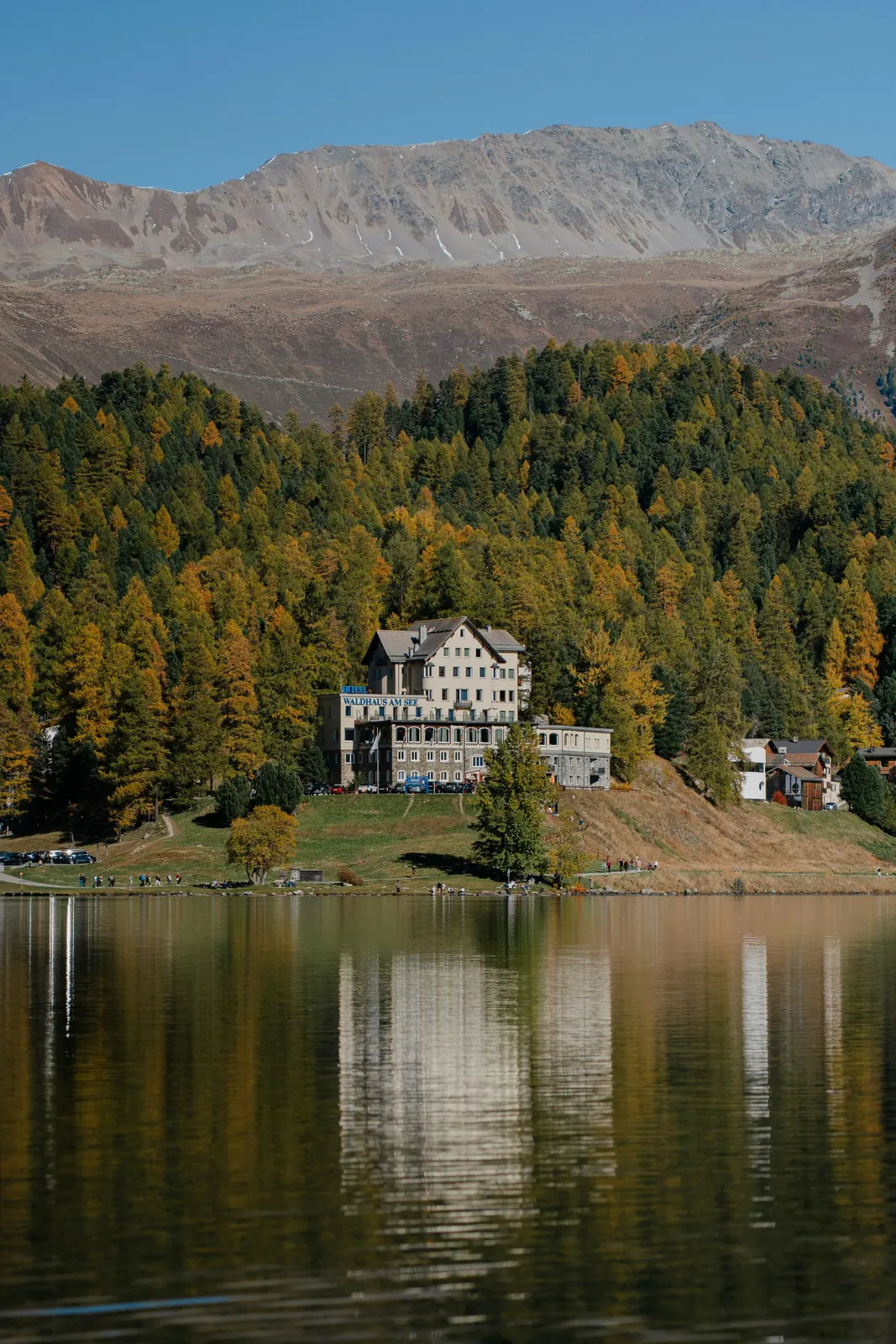
Graubünden offers lump-sum taxation, and for 2026 its cantonal minimum base is CHF 435,000, identical to the federal one. It is Switzerland's largest canton by area and its only trilingual one, home to the Engadin, St. Moritz, Davos, Klosters and Flims-Laax.
Key facts
| Graubünden (as of September 2026) | |
|---|---|
| Lump-sum taxation | Available |
| Cantonal minimum base | CHF 435,000 for 2026 (same as federal) |
| Federal minimum base | CHF 435,000 for 2026 |
| Wealth on the lump sum | Capitalised living costs or income (per cantonal practice) |
| Languages | German, Romansh, Italian |
| Main towns | Chur, Davos, St. Moritz, Landquart, Ilanz |
Graubünden at a glance
Graubünden (Grisons in French, Grigioni in Italian) covers the southeast of Switzerland, a canton of high valleys and passes bordering Italy, Austria and Liechtenstein. Chur, the capital, is linked to Zurich by direct trains. The Upper Engadin around St. Moritz is known for its lakes and winter sport; Davos and Klosters for skiing and conferences; Flims and Laax for their shared ski area; and the southern valleys such as Bregaglia and Poschiavo for their Italian character.
German is the most widely used language, Romansh is spoken in the Engadin and several valleys, and Italian in the south.
Lump-sum taxation in Graubünden
The federal conditions apply: no Swiss nationality, first-time Swiss tax residence or a return after ten years, and no work in Switzerland for either spouse.
The cantonal base for 2026 is at least CHF 435,000. For wealth tax, Graubünden sets taxable wealth equal to the capitalised living costs or income, using the method in its published tax practice. The seven-times-rent test matters in resort communes where rental values can be high, and the control calculation on Swiss-source and treaty-relieved income applies as everywhere.
Published minimums are a floor; the actual figure is agreed with the canton. Compare cantons in lump-sum taxation by canton.
Residence permits
EU/EFTA nationals who do not work can settle with sufficient means and health insurance. Non-EU nationals who will not work can apply as retirees (55 or over, with special ties to Switzerland and sufficient means) or on grounds of important fiscal interest. Both routes are discretionary and need SEM approval. We have not found an official published threshold for Graubünden, so confirm the amount with the canton.
Inheritance and gift tax
Spouses, registered partners and direct descendants are exempt. Real estate is taxed in the canton where it lies, which matters if you also own property elsewhere.
Property: second homes and resorts
Much of the interest in Graubünden is in mountain property. Once you live in Switzerland on an EU/EFTA permit or a C permit, you buy freely, and a non-EU B-permit holder can buy a main home where they actually live. A non-resident buying a holiday home needs a Lex Koller authorisation from the canton's quota, normally within 200 m² of living space and 1,000 m² of land. In communes where second homes already exceed 20%, new ones cannot be approved, apart from exceptions. The property transfer tax here is set by the communes rather than the canton.
A 2026 consultation proposes tighter holiday-home quotas; it is a proposal, not law. See holiday homes in the Alps and buying property and Lex Koller.
Living in Graubünden
Some families live year-round in the Engadin or Davos; others choose Chur or the Rhine valley for easier access to Zurich. Winter and summer mountain life shape the rhythm, and several resorts have private and boarding schools as well as the public system. For a broader view, read the best cantons for wealthy families.
How we help
We can check whether a resort you like works on both the tax and the property side, prepare the lump-sum file and handle the permit steps. Begin with our eligibility check.
This page is general information as of 30 September 2026; your own situation needs a tax ruling and individual advice.
Official sources
- ESTV — Cantonal fact sheet Graubünden (Feb 2026)
- ESTV — Circular 2-215-D-2025 (federal minimum 2026)
- Fedlex — Art. 14 DBG (lump-sum taxation)
- ESTV — Geltende Steuern (legal status 1 Jan 2026)
- Canton of Graubünden — Tax practice 02-01
- Fedlex — Art. 11 BewG (holiday-home quotas)
- Fedlex — Art. 6 ZWG (second-home cap)
- SEM — Directives on foreign nationals (AIG)
- Canton of Graubünden — official website
- Graubünden Tourism
Frequently asked questions
Does Graubünden offer lump-sum taxation?
Yes. For 2026 the cantonal minimum base is CHF 435,000, the same as the federal minimum.
How is wealth taxed for lump-sum taxpayers in Graubünden?
Wealth is set equal to the capitalised living costs or income, following the method in the canton's published practice.
What languages are spoken in Graubünden?
Graubünden has three official languages: German, Romansh and Italian. German is the most widely used; the Engadin and some valleys use Romansh, and the southern valleys Italian.
Can I buy a holiday home in St. Moritz or Davos as a foreigner?
Non-residents need a Lex Koller authorisation from the canton's holiday-home quota, within size limits, and new second homes are restricted in communes where they already exceed 20%.
Is there a published minimum for non-EU applicants?
We have not found an official published threshold for Graubünden. The canton decides and SEM must approve, so confirm the amount in a ruling.
Ready to talk about your move?
Tell us a little about your plans. We will come back to you personally, usually within one working day.