Retiring in Switzerland: permits, health cover, taxes
Retiring in Switzerland in 2026: the 55+ route for non-EU retirees, the EU route, health insurance, AHV contributions and how retirees are taxed.
Last reviewed
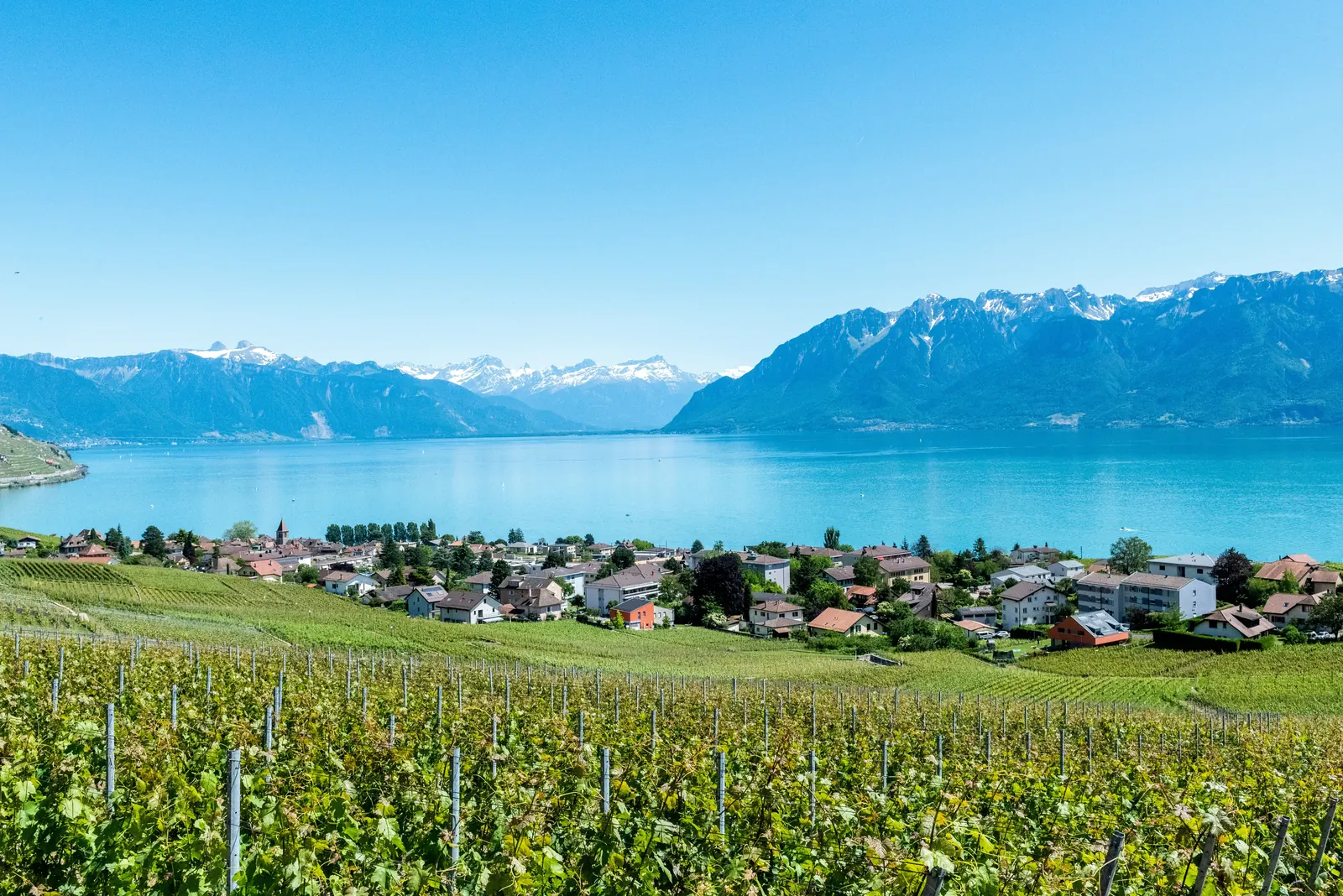
Retiring to Switzerland is possible whatever your nationality, but the route depends on your passport, and for non-EU citizens nothing is automatic. EU and EFTA citizens need sufficient means and full health cover. Non-EU citizens, including UK nationals arriving since 2021, use a retiree permit for people aged 55 or over with special ties to Switzerland, or a permit based on important cantonal fiscal interests. Once here, all retirees need Swiss health insurance, pay AHV contributions until 65 and choose between ordinary and, where eligible, lump-sum taxation.
Key facts (as of September 2026)
- Non-EU retiree route (art. 28 AIG): age 55+, special personal ties to Switzerland, means for life above the supplementary-benefits level, no work in Switzerland or abroad. SEM approval required.
- EU/EFTA retirees: sufficient means (above the supplementary-benefits threshold) and comprehensive health and accident insurance; no quotas.
- Swiss basic health insurance within 3 months of registering with the commune.
- AHV/AVS for non-employed people until 65: CHF 530 to CHF 26,500 a year in 2026.
- Lump-sum taxation: federal minimum base CHF 435,000 for 2026.
- Surviving spouses are exempt from inheritance tax in every canton.
Which permit route applies to you
| Your passport | Route | In short |
|---|---|---|
| EU/EFTA | Free movement (non-employed) | Means above the supplementary-benefits threshold, health and accident insurance, no quotas |
| UK, arrived before 1 Jan 2021 | Acquired rights | Keep the rights you already have |
| UK (since 2021), US, Gulf, Asia and other non-EU | Retiree route (art. 28 AIG) | 55+, special ties, secure means, no work anywhere; canton decides, SEM approves |
| Non-EU, not meeting the 55+ conditions | Important fiscal interests (art. 30 para. 1 let. b AIG) | A significant tax contribution; work allowed abroad only |
EU and EFTA retirees will find the full picture in the B permit without gainful activity. The non-EU routes, with the cantonal figures for the fiscal route, are in Swiss residence for financially independent non-EU nationals. Below we focus on what matters most for retirees in practice.
The 55+ route: what "special ties" means in practice
The condition that surprises people most is the need for special personal ties to Switzerland. The SEM directives give examples: long or repeated earlier stays (regular holidays, for instance), close relatives living here, or Swiss ancestry. Case law adds that the ties must be to Switzerland itself, not only to family members who happen to live here.
Two things do not count on their own: owning property in Switzerland and having business ties here. So a chalet bought years ago is not a tie on its own, whereas a documented history of long or repeated stays is one of the examples the directives give.
The other conditions are equally important. Your means must be reliably available for life, and you must show that you have genuinely retired and commit not to work, in Switzerland or abroad, other than managing your own assets. Your centre of life must be here; if it is not, the canton can refuse to renew the permit. Your spouse and minor children may come with you.
Health insurance
Swiss basic health insurance (LAMal/KVG) is compulsory for residents. You must join a Swiss insurer within three months of registering with your commune (art. 7 para. 1 KVV). If you join in time, cover is backdated to your registration date. If you are late, it starts only when you join.
Plan this before you arrive, so the deadline does not catch you in the busy first weeks. Our guide to health insurance for new residents covers the options.
AHV contributions for retirees under 65
Many people are surprised to learn that non-working residents pay into the Swiss old-age and disability scheme (AHV/AVS) until the reference age of 65. The 2026 rules from AHV/IV leaflet 2.03:
| 2026 | |
|---|---|
| Basis | Wealth + 20 × annual pension income |
| Minimum | CHF 530 a year (basis under CHF 350,000) |
| Increase | CHF 159 per extra CHF 50,000 above CHF 1.75 million |
| Maximum | CHF 26,500 a year, reached at CHF 8.95 million |
| Married couples | Each spouse is assessed on half the joint wealth and pension income |
| Non-employed spouse | Exempt if the working spouse pays at least CHF 1,060 |
Once you pass 65, these contributions stop.
How retirees are taxed
As a Swiss resident you are taxed at federal, cantonal and communal level. There are two regimes to compare.
Ordinary taxation. Income tax on your worldwide income, including foreign pensions, and a cantonal wealth tax on your net assets. There is no federal wealth tax. Capital gains on private movable assets, such as securities, are tax-free at federal and cantonal level; gains on real estate are taxed by a separate cantonal tax.
Lump-sum taxation (forfait fiscal / Pauschalbesteuerung). Available if you are not Swiss, are moving here for the first time or after ten years away, and do not work in Switzerland; both spouses must qualify. Tax is based on your worldwide living costs, with a federal minimum base of CHF 435,000 for 2026 and cantonal minima on top. A control calculation makes sure the tax is at least the ordinary tax on certain Swiss and treaty-relieved items, including Swiss-source pensions and foreign income for which you claim treaty relief.
Which regime costs less depends heavily on the canton and on your income and wealth, so it is worth modelling both before you choose. See Swiss lump-sum taxation for the detail.
A note on Swiss investment income: a 35% withholding tax is deducted from Swiss dividends and interest. Swiss residents who declare the income can reclaim it.
Estate planning
Switzerland has no federal inheritance tax. The cantons levy it, and surviving spouses are exempt in every canton. Direct descendants are exempt in most cantons, with a few exceptions. Where you settle therefore shapes what your heirs will face. We explain the cantonal differences in inheritance and gift tax in Switzerland.
Buying your retirement home
Many retirees want to own rather than rent. EU/EFTA nationals living in Switzerland, and non-EU nationals with a C permit, are not subject to the Lex Koller. Non-EU nationals with a B permit are, but they may buy a main residence at their lawful, actual domicile without a permit. A consultation opened on 15 April 2026 proposes that third-country nationals would need a permit even for a main residence and would have to sell within two years if they move away. This is a proposal, not law, but it is worth watching if you plan to buy on a B. Remember too that, under the lump sum, the rental value of your home feeds into the minimum base (seven times the annual rent or rental value).
Practical points for the first year
- Register with your commune within 14 days of entry.
- Driving licence: you need a Swiss licence once you have lived in Switzerland for 12 months without a break of more than three months abroad (art. 42 para. 3bis VZV).
- Relocation goods: household goods and cars you have used personally for at least six months can be brought in duty-free when you move your domicile.
How we help
We help retirees choose the right permit route and canton, prepare the ties and means evidence the canton will look for, and settle the tax position before arrival. We then help with the first months: insurance, registrations and the tax return. Start with our eligibility check.
This guide is general information as of 30 September 2026; a ruling or specific advice is needed for your own situation.
Official sources
- SEM — Weisungen AIG (Stand 15 June 2026), §5.3
- SEM — Weisungen VFP (January 2026), §6.2
- Fedlex — ZV-EJPD art. 2 (SEM approval)
- Fedlex — KVV art. 7 (health insurance deadline)
- AHV/IV — Leaflet 2.03, contributions for non-employed persons (1 Jan 2026)
- Fedlex — DBG art. 14 (lump-sum taxation)
- ESTV — Rundschreiben 2-215-D-2025 (2026 indexation)
- ESTV — Geltende Steuern (legal status 1 Jan 2026)
- Fedlex — BewG art. 2 and 5 (Lex Koller)
- admin.ch — Lex Koller consultation, 15 April 2026
- BAZG — Relocation goods
- Fedlex — VZV art. 42 (driving licence)
Frequently asked questions
Can I retire to Switzerland as a non-EU citizen?
It is possible if you are at least 55, have special personal ties to Switzerland, have sufficient means for life above the supplementary-benefits level and no longer work anywhere (art. 28 AIG). It is not a general retirement visa: the canton decides at its discretion and the SEM must approve.
Can UK citizens retire in Switzerland after Brexit?
Yes, but since 1 January 2021 UK nationals not covered by the Citizens' Rights Agreement follow the non-EU rules, so the 55+ retiree route or the fiscal-interest route applies.
Do retirees need Swiss health insurance?
Yes. With a B or C permit you must take out Swiss basic health insurance within three months of registering with your commune. If you join on time, cover is backdated to registration.
Do retirees pay social security contributions in Switzerland?
Non-employed residents pay AHV/AVS contributions until the reference age of 65. In 2026 they range from CHF 530 to CHF 26,500 a year, based on wealth plus 20 times annual pension income.
How are foreign pensions taxed in Switzerland?
Under ordinary taxation, worldwide income including foreign pensions is taxed. Under lump-sum taxation, tax is based on living costs instead, but Swiss-source pensions and foreign income for which treaty relief is claimed enter the control calculation.

Not sure which route fits you?
Answer a few questions and see an indicative route in about two minutes. Nothing is sent unless you choose to write to us.