Orientation visit Switzerland: how to plan it
An orientation visit Switzerland helps you explore regions, meet schools or a relocation agency, and understand entry, registration and next steps.
Last reviewed
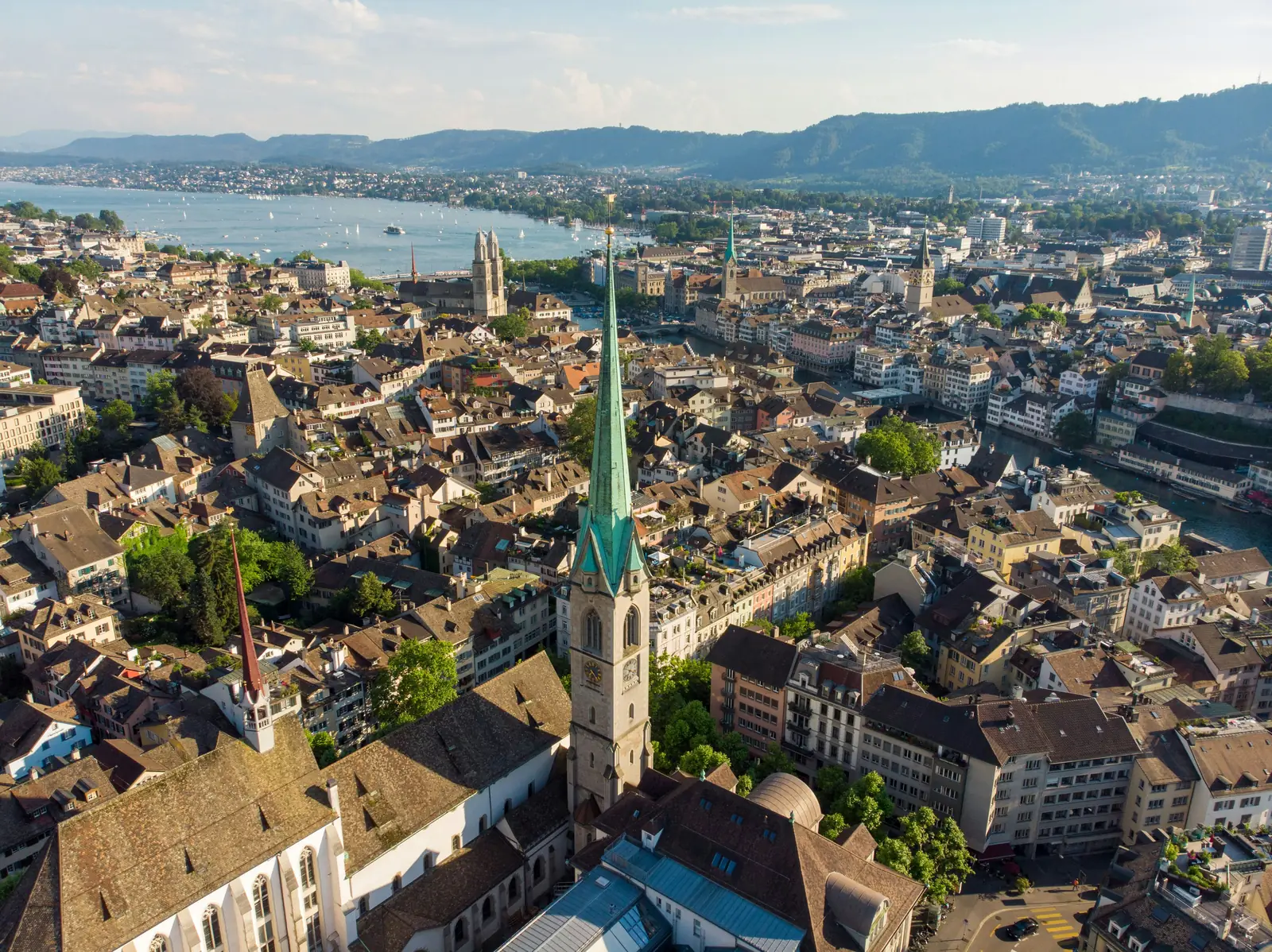
Planning an orientation visit Switzerland trip is one of the most practical ways to reduce uncertainty before a move. A well-planned visit lets you compare regions, test everyday logistics (schools, commute, neighbourhood feel), and leave with a clear list of next steps for your relocation.
Key facts (as of October 2026)
| Key fact | Source |
|---|---|
| Short stays of up to 90 days within 180 days do not require commune registration | https://www.sem.admin.ch/dam/sem/de/data/rechtsgrundlagen/weisungen/auslaender/weisungen-aug-d.pdf |
| For non-employed stays over 3 months, commune registration is required within 14 days of entry | https://www.sem.admin.ch/dam/sem/de/data/rechtsgrundlagen/weisungen/auslaender/weisungen-aug-d.pdf |
| Health insurance is compulsory within 3 months of registering as a resident | https://www.fedlex.admin.ch/eli/cc/1995/3867_3867_3867/de#art_7 |
| Visa requirements for a short visit depend on nationality (check the official list) | https://www.sem.admin.ch/sem/en/home/publiservice/weisungen-kreisschreiben/visa/liste1_staatsangehoerigkeit.html |
| A Swiss residence permit holder may travel in other Schengen states for up to 90 days in any 180-day period (travel, not EU residence rights) | https://www.sem.admin.ch/sem/en/home/themen/einreise/faq.html |
| Owning property in Switzerland does not confer a right to reside | https://www.bj.admin.ch/de/grundstueckerwerb-durch-personen-im-ausland |
What is an orientation visit to Switzerland?
An orientation visit is a short, purposeful trip you take before relocating, sometimes called a look-see visit. The aim is not tourism; it is to gather the information you can only really get on the ground: how a city feels on a weekday, what a school run looks like, whether an area matches your family’s rhythm, and what the practical “admin load” will be.
For many families, the output of the trip is a short list:
- 2–3 neighbourhoods you could genuinely live in
- A schooling plan (and a realistic admissions timeline)
- A housing plan (rent first, buy later, or buy quickly)
- A relocation timeline that matches immigration and registration steps
Why plan a look-see visit before relocating?
A look-see visit helps you avoid making “paper decisions” based on photos, headline tax comparisons, or a single weekend impression.
It is particularly useful when:
- You are undecided between several regions or cantons.
- Schooling is a priority and you need to understand commute routes and daily logistics.
- You want to sanity-check housing expectations (space, style, proximity to services).
- You are trying to understand how much can be handled remotely versus what truly needs your presence.
It also gives you a chance to understand Switzerland’s layered structure: cantons, communes, and the practical differences between them. Many relocation decisions (schools, housing, and day-to-day administration) are shaped at commune level.
If you want a clearer sense of what a relocation partner actually does (and what you might prefer to do yourself), see our guide: Relocation services in Switzerland: what a relocation partner does for a family.
How to organise your orientation visit to Switzerland
A good plan starts with deciding what the trip needs to answer.
Step 1: define the decisions you want to make
Common “must-answer” items:
- Where could we live that fits our lifestyle and school needs?
- Which schooling route is realistic for our child’s age and language?
- Are we aiming to rent first, or do we need to explore buying early?
- What is our likely relocation sequence after the trip?
Step 2: build a simple itinerary with breathing space
Instead of trying to cover the whole country, focus on a small number of areas and do them properly. In practice, families often benefit from revisiting the same area at different times of day to test noise, traffic, and convenience.
Step 3: line up the right meetings
Your meetings might include:
- A relocation agency / destination services provider
- School admissions teams (or a guided “school loop”)
- A property search partner (especially if buying is on the table)
If you are comparing school regions, our regional overview is here: International schools in Switzerland: a regional guide.
Step 4: decide what to do remotely after the trip
Aim to leave Switzerland with:
- A written shortlist (areas + schools)
- A realistic move sequence
- A document list (what you will need for permits, registration, insurance, banking, etc.)
A practical follow-on is our arrival-focused checklist: Your first 90 days in Switzerland: a new-resident checklist.
Which cities and regions should you explore?
There is no single “best” place; the right shortlist depends on language, schools, proximity to airports, lifestyle preferences, and how you expect to spend your time.
A helpful way to structure your comparison is by region, then by a few communes/neighbourhoods within each.
| Region | What families often test during an orientation visit |
|---|---|
| Lake Geneva area (Geneva / Vaud) | Airport access, international community, school commute patterns, lakeside vs hillside living |
| Zurich / Zug area | Pace of life, rail connections, housing style, school logistics |
| Ticino | Italian-language environment, seasonal rhythm, cross-border practicalities |
| Alpine cantons and lake towns | Travel time to airports, winter vs summer routines, second-home vs primary-home considerations |
If you already have 2 cantons in mind around Lake Geneva, this comparison can help frame the visit: Geneva or Vaud? Choosing a home on Lake Geneva.
You can also browse an overview of options by canton here: Swiss cantons overview.
What practical steps should you take during your visit?
The most valuable “practical tasks” are the ones that reduce uncertainty later.
Housing and neighbourhood due diligence
- Walk potential neighbourhoods at school-run times.
- Test the route to the nearest station, supermarket, and sports facilities.
- If you plan to rent initially, note which areas have the right housing stock for your family.
School planning (even if you are not applying yet)
Use the trip to clarify:
- Which campuses make sense geographically.
- How long the daily commute would be.
- What the school expects in terms of documents and timing.
(For regional school orientation, see: International schools in Switzerland: a regional guide.)
Admin reality check: registration and insurance
An orientation trip is also a good moment to understand what starts when you actually move.
- For short stays (up to 90 days within 180), you do not register with the commune under the ordinary registration rules described in the SEM directives.
- If you later enter Switzerland to stay over 3 months (non-employed), commune registration is required within 14 days of entry under the SEM directives.
- Once you register as a resident, health insurance is compulsory within 3 months of registering as a resident.
These points are often easiest to absorb before you are under time pressure.
If you want the full insurance picture, see: Swiss health insurance for new residents: a clear guide.
Can you arrange meetings with relocation agencies or schools?
Yes. Many families use an orientation visit to meet a relocation agency (often called destination services in Switzerland) and to visit schools. The key is to plan ahead so you are not trying to arrange appointments once you land.
A sensible approach is:
- Share your shortlist (regions, housing needs, school priorities) in advance.
- Keep meeting slots clustered geographically.
- Leave time between appointments for neighbourhood walks and practical checks.
If you are weighing different types of support, this guide can help you decide what to delegate: Family support and destination services Switzerland options.
For a view of what we cover operationally, see: Relocation and settling-in services in Switzerland.
What are the entry and visa rules for an orientation visit?
Entry rules for a visit depend on nationality, and Switzerland distinguishes between short stays and longer stays.
For planning purposes:
- Check visa requirements using the official SEM list of ID and visa provisions by nationality.
- For short stays of up to 90 days within 180 days, commune registration is not required under the SEM directives’ registration table.
- If your plan changes into a longer stay (over 3 months), registration obligations apply and the residence-permit process is a separate topic.
If you later hold a Swiss residence permit, it may allow travel in other Schengen states for up to 90 days in any 180-day period, but it does not give EU residence rights; other states decide their own rules.
How does an orientation visit fit into your relocation timeline?
Think of the orientation visit as the bridge between “we are considering Switzerland” and “we have a plan we can execute”. A realistic sequence is:
- Orientation visit to narrow your shortlist and confirm practical constraints.
- Follow-up work from home: documents, applications, school process, housing strategy.
- Move and register (for stays over 3 months), then start the “first months” tasks, including health insurance within 3 months of registering.
To understand the broader sequencing (and where delays often appear), see: How long it takes to move to Switzerland: a realistic sequence.
A note on property viewings during an orientation visit
It is common to schedule property viewings during a look-see visit, especially if you are considering buying quickly.
Two points are worth keeping in mind:
- Owning property in Switzerland does not confer a right to reside.
- The rules for buying property as a foreigner can depend on your status (for example, whether you are treated as a “person abroad” under Lex Koller), so it is worth understanding the framework early.
If buying may be part of your plan, start here: Buying property in Switzerland as a foreigner: Lex Koller.
How we help
We help families plan an orientation visit that is genuinely decision-focused: region shortlists, school loops, housing priorities, and a clear set of next steps for settling in. If you decide to proceed, we can coordinate relocation and settling-in support through trusted local partners, and we work with a partner law firm in Geneva on legal and permit matters. Start with our eligibility check for moving to Switzerland.
This guide is general information as of 10 October 2026 and is not tax or legal advice; your own situation needs a ruling or personal advice.
Official sources
Frequently asked questions
What is the purpose of an orientation visit before moving to Switzerland?
It is a short exploratory trip to compare regions, housing and daily-life practicalities, and to line up the next steps for permits, schools and settling in.
Do I need a visa for a short visit to Switzerland before relocating?
It depends on your nationality. Check the SEM list of ID and visa provisions; some nationalities are visa-exempt for short stays and others need a visa.
Can I meet with relocation agencies or visit schools during my orientation trip?
Yes. Many families use the trip to meet a relocation agency (destination services), view areas, and visit schools by appointment.
How long can I stay in Switzerland for an orientation visit without registering?
Stays of up to 90 days within 180 days do not require commune registration; if you will stay over 3 months, registration rules apply and the canton/commune process matters.
Does visiting Switzerland help with choosing the right canton or city?
Yes. Seeing a few short-listed places in person is often the fastest way to test commute patterns, language environment, housing style and school logistics before you commit.
Can I buy property during my orientation visit and does it grant residence rights?
You can explore property options, but owning property in Switzerland does not confer a right to reside; residence rights come from a permit process, not from purchase.
Not sure which route fits you?
Answer a few questions and see an indicative route in about two minutes. Nothing is sent unless you choose to write to us.