After the move: ongoing wealth and household support
What a family office in Switzerland or Geneva does after your move: reporting, taxes, staff, property, succession, and when a multi-family office fits.
Last reviewed
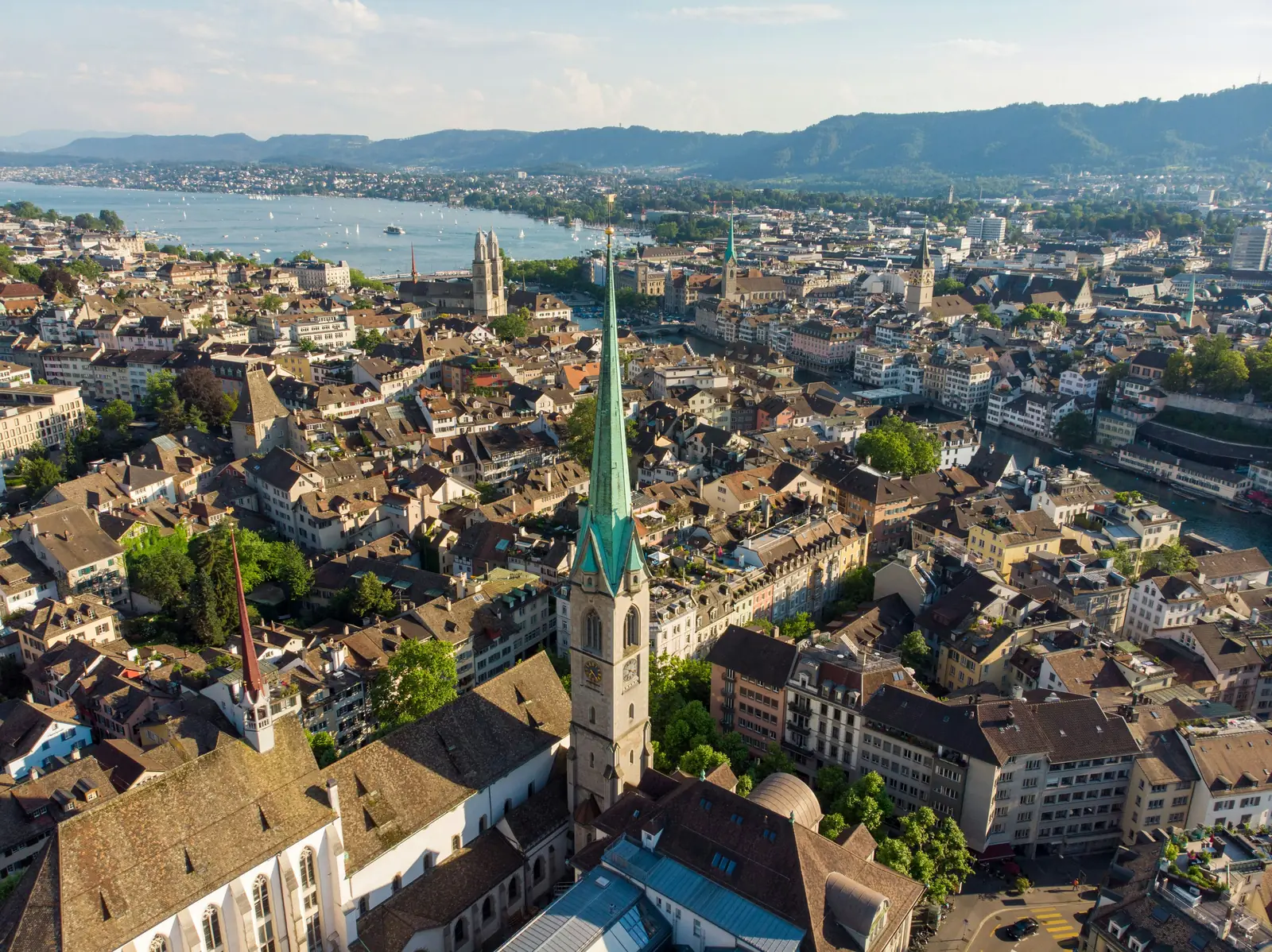
Once the permit is granted, the tax arrangement agreed and the children are settled in school, many families find that the real work is only beginning. A family office in Switzerland coordinates what comes next: consolidated reporting across banks and managers, tax returns and wealth tax, household staff, property, and governance and succession. For most families who move here, a multi-family office in Geneva or elsewhere is the practical way to get that coordination without building a team of their own.
Key facts (as of September 2026)
- Wealth tax is cantonal only, on net wealth, and mostly progressive; flat rates in LU, UR, SZ, OW, NW, GL, AI, SG and TG.
- Lump-sum taxpayers are checked every year and must report changes without being asked.
- No gainful activity in Switzerland is a condition of lump-sum taxation; board members working in Switzerland are named as an example.
- 35% withholding tax on Swiss dividends and interest is refundable to Swiss residents who declare the income.
- Capital gains on private movable assets are tax-free at federal and cantonal level.
- AHV contributions for non-employed people are based on wealth plus 20× annual pension income (CHF 530 to CHF 26,500 a year in 2026).
- Imputed rental value on homes is abolished from 1 January 2029.
Why the work continues after the move
Relocation is a project with an end: a permit, a tax ruling, a home, schools, registration with the commune. What follows is ongoing. Switzerland taxes wealth every year at cantonal level, the lump-sum regime is reviewed annually, and the family's assets usually stay spread across several banks, managers and countries.
None of this is unusual, but it needs someone to hold the whole picture. Without that, each adviser sees only their own piece, deadlines are met one by one, and the family ends up as the coordinator of its own affairs. That is exactly what a family office is meant to take off your hands.
What a family office typically covers
The scope varies from one family to the next, but the core usually looks like this:
| Area | What it involves day to day |
|---|---|
| Consolidated reporting | One view of all accounts, managers and holdings, reviewed against the family's objectives |
| Oversight of managers | Monitoring regulated banks and asset managers, reviewing performance and fees, asking questions on the family's behalf |
| Tax and administration | Annual returns, wealth tax, reclaiming withholding tax, AHV contributions, correspondence with the authorities |
| Household | Staff contracts and payroll, insurance, bills, the running of homes |
| Property | Management of Swiss and foreign property, and coordination of purchases and sales |
| Governance and succession | Family charter, wills and marriage contracts with Swiss lawyers and notaries, preparing the next generation |
| Document vault | A secure, organised archive of the family's legal, tax and personal documents |
An important point: a well-run family office usually supervises the people who manage your assets rather than managing them itself. Execution, custody and investment decisions stay with regulated banks and asset managers. The family office's role is to consolidate, compare and ask the right questions, which keeps it on your side of the table.
Tax and wealth tax: the recurring work
For families under ordinary taxation, each year brings a full return covering worldwide income and wealth. Wealth tax is cantonal and mostly progressive, and Swiss withholding tax of 35% on dividends and interest is only refunded if the income is declared. Capital gains on private securities and art are tax-free, while gains on real estate fall under a separate cantonal tax.
For families under lump-sum taxation, the work is different but not lighter. Every year the tax authority checks that the conditions are still met, and the taxpayer must report changes without being asked. Some cantons, such as Uri, require a special lump-sum return each year documenting worldwide living costs. If you claim treaty relief on foreign income, that income enters the control calculation, so it needs to be tracked carefully. Our guide to choosing between lump-sum and ordinary taxation explains how the two regimes compare.
Two further items often surprise new residents. AHV contributions for non-employed people are based on wealth plus 20 times annual pension income, with a minimum of CHF 530 and a maximum of CHF 26,500 a year in 2026. And the imputed rental value on homes is abolished from 1 January 2029, together with the related maintenance deductions, which will change how property is reflected in returns.
Protecting your status: gainful activity
Families who moved under lump-sum taxation, or with a permit for non-employed people, need to keep an eye on one condition in particular: no gainful activity in Switzerland. The ESTV's circular names board members working in Switzerland as an example of activity that rules out the lump sum, and both spouses must meet the conditions. For third-country nationals admitted on fiscal-interest grounds, gainful activity is only allowed abroad, apart from managing your own assets.
A family office that knows these rules can flag a board invitation, a new company role or a change in a spouse's activity before it becomes a problem. Details and cantonal nuances are in Swiss lump-sum taxation.
Governance and succession with Swiss partners
Succession planning in Switzerland is shaped by cantonal inheritance and gift tax. Movable assets are taxed in the canton of last domicile and real estate where it is located. Spouses are exempt in every canton and children in most, but Geneva removes that exemption if the deceased or donor was lump-sum taxed in one of the last three final assessments. The details are in our guide to inheritance and gift tax.
A family office does not replace your lawyer or notary. It prepares the information they need, keeps wills, marriage contracts and shareholder agreements consistent with each other, and makes sure decisions taken at a family meeting are actually carried through.
Single-family office or multi-family office?
| Single-family office | Multi-family office | |
|---|---|---|
| Team | Employed by one family | Shared across several families |
| Set-up | You recruit, house and supervise the team | You appoint an existing organisation |
| Systems | Built or bought for one family | Shared reporting, vault and processes |
| Best suited to | Very large, complex families who want full control | Families who want the same coordination without running an organisation |
A single-family office is also an employer, with contracts, premises and systems to manage, and in Switzerland it raises the gainful-activity question for family members involved in running it. For most families arriving in Switzerland, a multi-family office makes more sense: the coordination is the same, but the organisation is someone else's responsibility.
What to ask a family office before appointing it
- Do you manage assets yourselves, or only supervise the banks and managers we choose?
- How is your reporting built, and can it include every bank, manager and country we use?
- Who prepares our Swiss tax returns, and how do you work with our advisers abroad?
- Where are our documents stored, and who can access them?
- Which lawyers, notaries and insurers do you work with, and are we free to keep our own?
- Who is our day-to-day contact, and who covers when that person is away?
Working with your existing advisers
A good family office adds a layer of coordination; it does not ask you to change your banks or your trusted advisers. Your private banker, your lawyer at home and your accountant abroad stay in place. The family office becomes the single point of contact that briefs them, collects their output and keeps everyone working from the same information.
Digital organisation and confidentiality
Family documents are among the most sensitive a household holds: passports, rulings, wills, bank statements, staff contracts. A secure document vault with clear access rights is now part of most family office set-ups. Some families also use AI tools to help with correspondence and administration. If you do, it is worth choosing solutions hosted in Switzerland and built for Swiss data-protection rules, for example houle, a Geneva AI consultancy offering Swiss-hosted assistants.
Relocation and family office: two complementary roles
We handle the move itself: the residence permit, the tax ruling, the home, schools and the first months of settling in. Once you are established, our ongoing tax and wealth service keeps returns and filings on track.
For families who want broader, ongoing family office support, our sister company Ridger, the Ark group's multi-family office in Geneva, acts as a single point of contact orchestrating bankers, lawyers, notaries, tax advisers and insurers, through to household management. Ridger does not manage assets or give investment advice; execution and custody stay with your chosen regulated banks and managers.
How we help
We look after the relocation and hand over cleanly, so the people who take on the ongoing work start with a complete file. If you are planning a move and want to think about what comes after it, contact us.
This guide is general information as of 30 September 2026; a ruling or specific advice is needed for your own situation.
Official sources
- ESTV — Circular 44 on lump-sum taxation (24 July 2018), §2.3 and §5.1
- Canton of Uri — Merkblatt Aufwandbesteuerung (1 January 2026)
- ESTV — Geltende Steuern von Bund, Kantonen und Gemeinden (legal status 1 Jan 2026)
- AHV/IV — Leaflet 2.03, contributions for non-employed persons (1 Jan 2026)
- Federal Council — Abolition of imputed rental value (1 April 2026)
- SEM — Weisungen AIG (as of 15 June 2026), §5.5
- Ridger — Family office coordination
Frequently asked questions
What does a family office do in Switzerland?
It coordinates the family's financial and administrative life: consolidated reporting across banks and managers, tax returns, household administration and staff payroll, property, and governance and succession work with lawyers and notaries. Many family offices supervise regulated banks and asset managers rather than managing assets themselves.
What is the difference between a single-family office and a multi-family office?
A single-family office is a dedicated team employed by one family. A multi-family office serves several families with a shared team and shared systems, so each family gets the same range of coordination without building its own organisation.
Does a lump-sum taxpayer still need to file a tax return?
Yes. Every year the tax authority checks that the conditions are still met, and you must report changes without being asked. Some cantons, such as Uri, require a special lump-sum return each year documenting worldwide living costs.
Can a family office cause problems with lump-sum taxation?
Lump-sum taxation requires no gainful activity in Switzerland, and board members working in Switzerland are named as an example of activity that disqualifies. Managing your own assets is generally compatible, but roles in Swiss companies should be checked before you accept them.
Is relocation support the same as a family office?
No. Relocation covers the move itself: permit, tax ruling, home, schools and registration. A family office takes over the ongoing coordination once you are settled. The two are complementary and can be handed over from one to the other.
Not sure which route fits you?
Answer a few questions and see an indicative route in about two minutes. Nothing is sent unless you choose to write to us.